

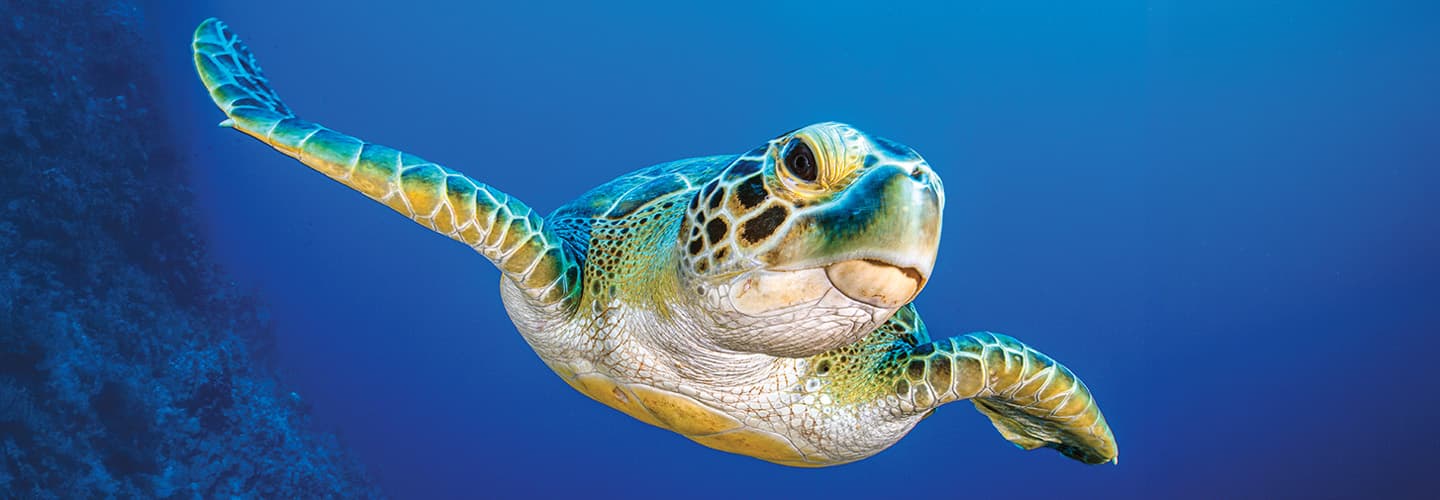

It’s late at night. A female green sea turtle slowly comes out of the ocean. She picks a spot on the sandy beach and uses her back flippers to dig a nest. There, she’ll lay 100 eggs or more. About two months later, hatchlings will break out of the shells and crawl to the sea.
These turtles may have a better chance of surviving than their ancestors did. Green sea turtles have faced many threats. In 1982, they were listed as an endangered species by the International Union for the Conservation of Nature (IUCN). That organization tracks the risk of extinction for animals and plants worldwide.
But thanks to efforts to protect green sea turtles, their global population has increased. A recent IUCN report now lists them as a “species of least concern” for dying out.
“Conservation works if you have people in the right places doing the right things together,” says scientist Bryan Wallace. He’s one of the authors of the report.
It’s late at night. A female green sea turtle slowly comes out of the ocean. She picks a spot on the sandy beach. Then she uses her back flippers to dig a nest. There, she’ll lay 100 eggs or more. About two months later, hatchlings will break out of the shells. Then they’ll crawl to the sea.
These babies may have a better chance of living than some of their ancestors did. Green sea turtles have faced many threats. In 1982, they were listed as an endangered species. That was by the International Union for the Conservation of Nature (IUCN). The IUCN tracks the risk of extinction for animals and plants around the world.
But due to efforts to protect green sea turtles, their numbers have increased. The IUCN recently released a report. It now lists the turtles as a “species of least concern” for dying out.
“Conservation works if you have people in the right places doing the right things together,” says scientist Bryan Wallace. He’s one of the authors of the report.